Muscles And Ligaments In Upper Back : Back Pain In Females Pain Conditions And Causes Sapna Pain Management Blog : The best low back stretches.
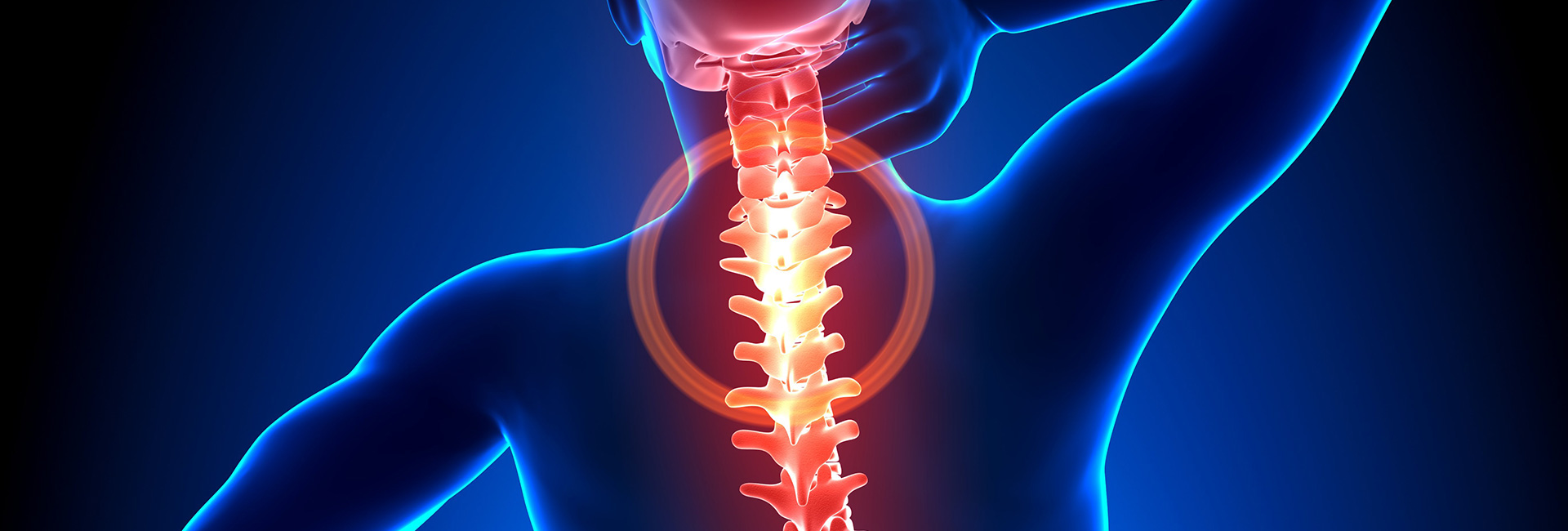
Muscles And Ligaments In Upper Back : Back Pain In Females Pain Conditions And Causes Sapna Pain Management Blog : The best low back stretches.. It allows for movement of the shoulders and shoulder blades. Back strain is a fairly broad category called soft tissue injury, which covers muscles, tendons and ligaments. Symptoms of pulled upper back muscles may include: Muscles, tendons and ligaments provide additional support. Any of these structures in the back can become irritated or inflamed in response to a variety of mild to serious conditions.
It joins to ligaments and muscles around the pelvis. Irritation, inflammation, back rib injury, strained or pulled back muscles, or a herniated disc can all cause pain in ribs and back. The main spinal muscles allowing forward movement are the flexor muscles in the lower back. Excessive movements such as hyperextension or flexion are limited by ligaments and can prevent certain movements. Ligaments connect bone to bone, bone to cartilage, bone to tendons, and attach muscle to bone.
Upper Back Popping Therapeutic Associates Physical Therapy from www.therapeuticassociates.com It joins to ligaments and muscles around the pelvis. The trapezius and latissimus dorsi muscles connect the upper limb to the vertebral column. The difference between an upper back strain and sprain The extrinsic (superficial) back muscles, which lie most superficially on the back. The key muscle in this category is the psoas muscle. The back's muscles start at the top of the back (named the cervical vertebrae) and go to the tailbone (also named the coccyx). These attach to the front of the spine and enable bending forward, lifting, and arching the lower back. This muscle extends across the neck, shoulder, and back.
These muscles give the sides of the neck their.
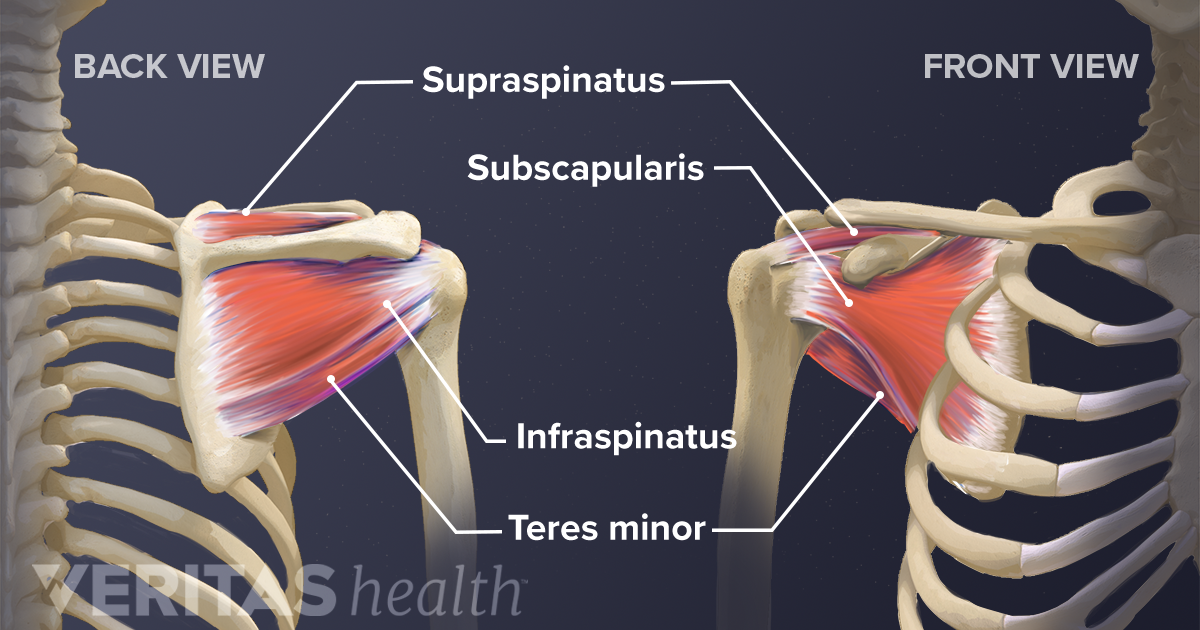
The key muscle in this category is the psoas muscle. Excessive movements such as hyperextension or flexion are limited by ligaments and can prevent certain movements. The major muscles in the upper torso of the body include: Back strain is a fairly broad category called soft tissue injury, which covers muscles, tendons and ligaments. Issues with your muscles, ligaments, or ribs in your back can often cause rib pain in the back. 1) above the cervical area (longissimus capitis), 2) in the cervical area (longissimus cervicis), and 3) in the upper back or thoracic area (longissimus thoracis). See easy chest stretches for neck pain. The main muscles in the upper back are the rhomboid, trapezius, supraspinatus, infraspinatus, teres major, teres minor, deltoid, and upper half of the latissimus dorsi. The back is a complex structure of bone and muscle, supported by cartilage, tendons and ligaments, and fed by a network of blood vessels and nerves. An example includes the pectoralis minor muscles, which are a pair of thin triangular muscles in the upper part of the chest. Both the deltoid and the trapezius are firmly attached to the spine of the scapula. Ligaments provide stability of the spine during movement and rest. The muscles, bones, ligaments, and tendons in the back can all be injured and cause back pain.
Symptoms of pulled upper back muscles may include: Essentially the psoas helps pull the vertebra at the bottom of your back forward and down. The major muscles in the upper torso of the body include: As the muscles in the upper back tend to become elongated as the shoulder round forward, chest muscles may become shortened and tight. Upper back muscle that is the cervical and thoracic back muscles are divided in three layers.
Soft Tissues Of The Shoulder from embed.widencdn.net 1) above the cervical area (longissimus capitis), 2) in the cervical area (longissimus cervicis), and 3) in the upper back or thoracic area (longissimus thoracis). Any of these structures in the back can become irritated or inflamed in response to a variety of mild to serious conditions. The back—especially the lumbar, or lower back—bears much of the body's weight during walking, running, lifting and other activities. Ligaments are like long cords that connect the ends of bones to a joint and keep muscles in their proper place. This muscle extends across the neck, shoulder, and back. Limited range of motion or a gradual decrease in muscle movement. The quadratus lumborum muscles (orange, in the image above) are found in the lower back (also called the lumbar area). Excessive movements such as hyperextension or flexion are limited by ligaments and can prevent certain movements.
The quadratus lumborum muscles (orange, in the image above) are found in the lower back (also called the lumbar area).
This muscle extends across the neck, shoulder, and back. 1) above the cervical area (longissimus capitis), 2) in the cervical area (longissimus cervicis), and 3) in the upper back or thoracic area (longissimus thoracis). Both the deltoid and the trapezius are firmly attached to the spine of the scapula. Two of the main ligaments in the back are the anterior. The anterior and posterior longitudinal ligaments (all, pll) extend along the entire length of the spine, primarily supporting the intervertebral joints. Any of these structures in the back can become irritated or inflamed in response to a variety of mild to serious conditions. The extrinsic (superficial) back muscles, which lie most superficially on the back. Muscle or ligament strains can occur from repeated use of the muscles, or from improperly or awkwardly lifting heavy objects. A common cause of mild to severe pain in the upper back is a sudden movement during sports activities or home improvement projects. It allows for movement of the shoulders and shoulder blades. The major muscles in the upper torso of the body include: Accessory ligaments also support the spine, these are the ligamenta flava, interspinous, supraspinous, nuchal and intertransverse ligaments. The main muscles in the upper back are the rhomboid, trapezius, supraspinatus, infraspinatus, teres major, teres minor, deltoid, and upper half of the latissimus dorsi.
The anterior and posterior longitudinal ligaments (all, pll) extend along the entire length of the spine, primarily supporting the intervertebral joints. These attach to the front of the spine and enable bending forward, lifting, and arching the lower back. The best low back stretches. Issues with your muscles, ligaments, or ribs in your back can often cause rib pain in the back. Both the deltoid and the trapezius are firmly attached to the spine of the scapula.
Upper Back Pain Center Symptoms Causes Treatments from www.spineuniverse.com Two of the main ligaments in the back are the anterior. Excessive movements such as hyperextension or flexion are limited by ligaments and can prevent certain movements. Ligaments in back ligaments also play an important role in stabilizing the spine and proper upper body movement. The quadratus lumborum muscles (orange, in the image above) are found in the lower back (also called the lumbar area). The main spinal muscles allowing forward movement are the flexor muscles in the lower back. Upper back muscle that is the cervical and thoracic back muscles are divided in three layers. A common cause of mild to severe pain in the upper back is a sudden movement during sports activities or home improvement projects. These muscles are divided into superficial and intermediate.
This muscle extends across the neck, shoulder, and back.
The trapezius and latissimus dorsi muscles connect the upper limb to the vertebral column. An example includes the pectoralis minor muscles, which are a pair of thin triangular muscles in the upper part of the chest. Limited range of motion or a gradual decrease in muscle movement. Ligaments connect bone to bone, bone to cartilage, bone to tendons, and attach muscle to bone. The difference between an upper back strain and sprain The best low back stretches. Symptoms of pulled upper back muscles may include: Upper back muscle that is the cervical and thoracic back muscles are divided in three layers. Lumbar (lower back) muscles are spinal rectifiers. Both the deltoid and the trapezius are firmly attached to the spine of the scapula. Ligaments are like long cords that connect the ends of bones to a joint and keep muscles in their proper place. Muscle or ligament strains can occur from repeated use of the muscles, or from improperly or awkwardly lifting heavy objects. Two of the main ligaments in the back are the anterior.


Komentar
Posting Komentar